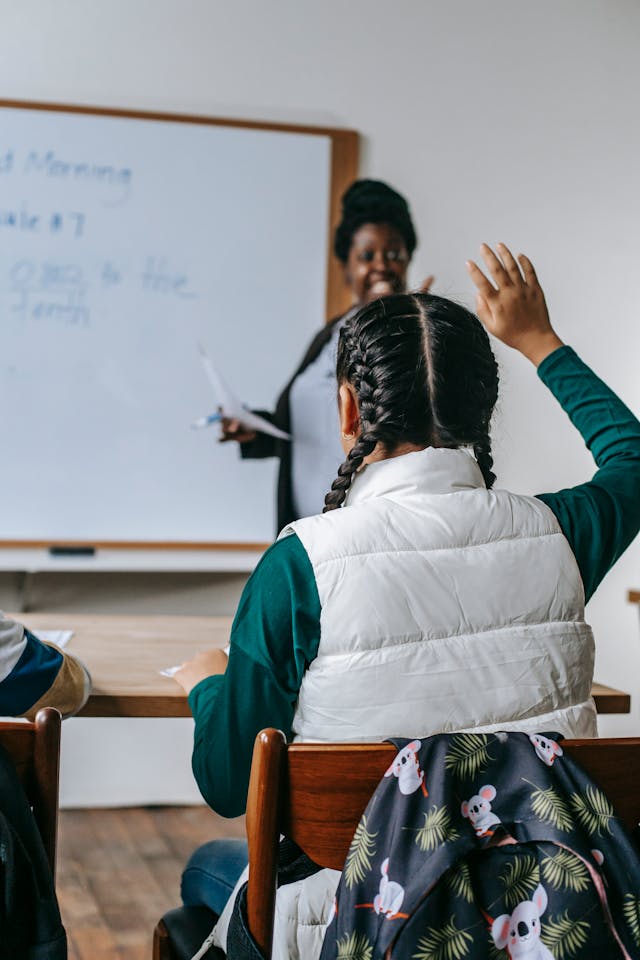
Universal access to education ensures equal, free, and quality learning opportunities for all, regardless of background, gender, or ability, as recognized by the UN’s Universal Declaration of Human Rights. It seeks to dismantle barriers for marginalized groups and includes initiatives like Universal Design for Learning (UDL) to foster inclusive, personalized instruction.
Key Aspects of Universal Access
Definition & Goal: This principle ensures that all individuals have equal opportunities to receive a quality education. It is recognized as a fundamental human right by the United Nations.
Inclusivity: The goal is to eliminate barriers that prevent marginalized groups, including girls, children with disabilities, and low-income individuals, from accessing education.
Components: This includes providing free primary education, as supported by the Universal Declaration of Human Rights.
Technological Role: Technology plays a key role, with digital tools and apps helping to overcome geographical barriers for remote students.
Universal Design for Learning (UDL): An approach to teaching that reduces cognitive and physical obstacles, ensuring equal opportunities for all, according to the Center for Teaching Excellence.
Challenges & Progress
Global Disparities: Despite progress, 272 million children and youth were out of school in 2023, with 754 million adults remaining illiterate in 2024, notes the United Nations Sustainable Development report.
Gender Gap:UNESCO reports that women make up two-thirds of the 773 million illiterate adults, and millions of girls are at risk of not returning to school due to pandemic-related disruptions.
Funding and Support: Organizations like the Global Partnership for Education support Uneducation in areas affected by conflict, with $380 million allocated in grants in 2024, aiding over 1.76 million displaced children.
Benefits
Individual Empowerment: It boosts self-efficacy, mental well-being, and provides skills for daily living, notes the Sustainability Directory.
Economic & Social Mobility: It acts as a powerful tool for lifting individuals out of poverty, say reports from UNESCO and Britannica.
Societal Development: It contributes to a better-educated workforce, fostering community participation.