Health is a state of complete physical, mental, and social well-being, not merely the absence of disease, while well-being encompasses broader, subjective, and objective factors like emotional, financial, and occupational health. These intertwined concepts form a proactive approach to living, emphasizing prevention, quality of life, and resilience.

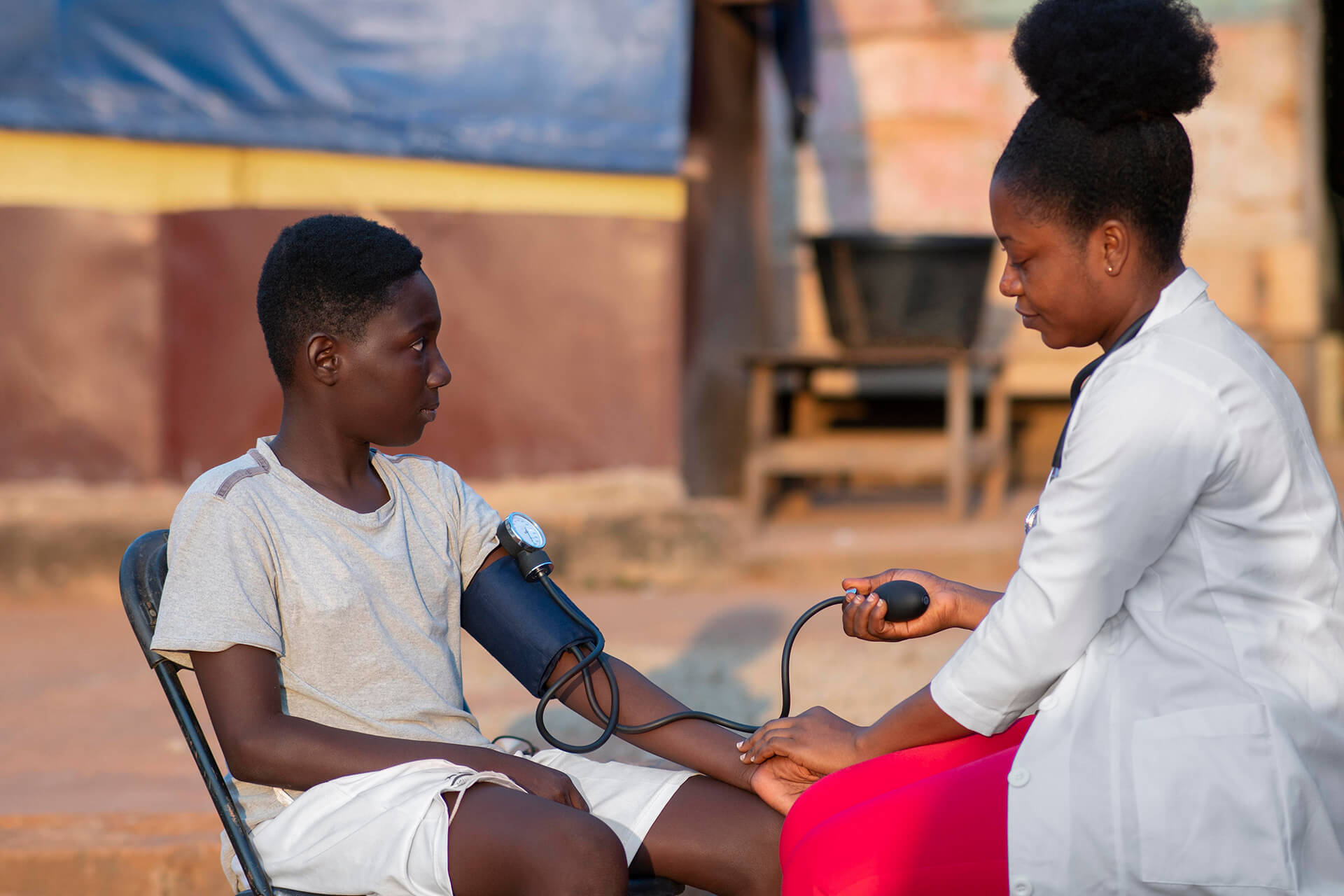
Key Components of Health and Well-being

  • Physical Health: Proper nutrition, regular exercise, adequate sleep, and preventive care (e.g., vaccinations, check-ups).
  • Mental and Emotional Health: Ability to manage stress, express emotions, and maintain a positive sense of self, which is considered an essential component of overall health.
  • Social Well-being: Maintaining strong relationships, engaging in community, and having a support system.
  • Holistic Factors: Includes environmental, financial, and intellectual factors that impact an individual’s quality of life.

Key Aspects of Well-being

  • Definition: The World Health Organization (WHO) defines health as a state of complete physical, mental, and social well-being, not just the absence of disease.
  • Dimensions: It goes beyond physical health to include social, economic, and environmental factors.
  • Interdependence: Good health and well-being are mutual; health is a foundation for well-being, while high well-being improves health outcomes.

Strategies for Improvement

  • Mindfulness: Practicing being present to manage emotions and improve mental health.
  • Active Lifestyle: Incorporating physical activity, even through daily chores or simple routines.
  • Social Connection: Connecting with friends and family to reduce feelings of loneliness.
  • Preventive Care: Using symptom checkers and managing chronic diseases, as highlighted by Kaiser Permanente.

Global Goals for Health and Well-beingThe United Nations (UN) has set a 2030 goal to ensure healthy lives and promote well-being for all at all ages, including reducing maternal mortality, ending epidemics, and ensuring universal health coverage.